


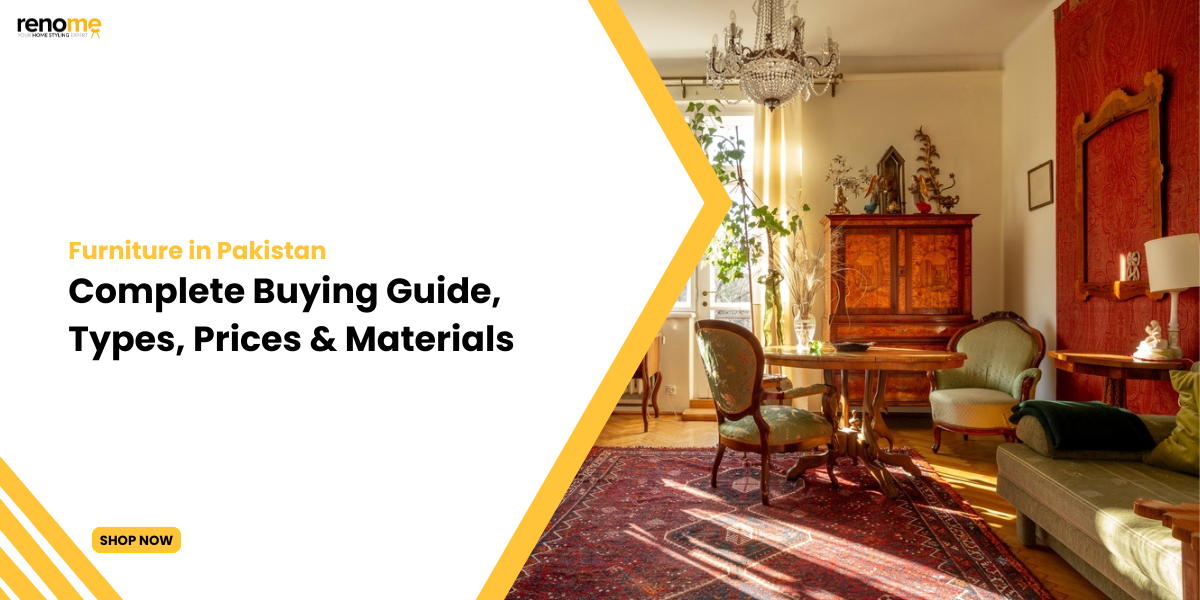
Buying furniture in Pakistan often becomes expensive, not because furniture is costly, but because mistakes are common. Beds crack within two years, sofas lose shape, wardrobes swell during monsoon, and dining chairs start wobbling long before they should. These problems are rarely accidental. They are the result of buying furniture based on appearance instead of structure, materials, and real-life usage.
This guide is written for Pakistani buyers who want furniture that lasts. It explains how furniture actually performs in local conditions, which materials work and which fail, how prices are formed, and how to judge quality beyond showroom lighting. The focus is practical decision-making, not trends or decorative language.
Who This Guide Is For
This guide is useful if you are:
- Furnishing a new home or apartment
- Replacing worn-out furniture that failed early
- Planning custom furniture instead of ready-made pieces
- Confused by price differences for similar-looking furniture
- Buying furniture for long-term daily use, not short-term display
If your goal is durability, comfort, and value over time, this guide is written for you.
Looking for high-quality furniture in Pakistan? Renome is your go-to option in Pakistan.How the Furniture Market Works in Pakistan
Furniture in Pakistan comes from three main sources: local carpenters, factory workshops, and branded showrooms. Each has advantages and risks.
Local carpenters offer flexibility in size and design, but quality depends entirely on supervision, wood selection, and joinery skills. Factory workshops provide better consistency, machine-cut joints, and controlled finishing, while branded showrooms usually prioritize polish, presentation, and standardized designs.
The problem is that most buyers judge furniture by surface finish alone. In reality, furniture quality is determined by what you cannot see: wood thickness, internal frames, joint construction, and moisture protection. Two identical-looking pieces can have completely different lifespans depending on these hidden factors.
Climate plays an equally important role. Heat, humidity, and seasonal changes in Pakistan cause wood to expand and contract. Furniture that is not built with proper seasoning, joint allowance, and finish protection deteriorates quickly, even if it looks premium on day one.
Furniture Materials Used in Pakistan (What Actually Works)
Material choice determines how long furniture will last. Below is a realistic breakdown of materials commonly used in Pakistan and how they perform over time.
| Material | Common Use | Real-World Performance |
| Sheesham Wood | Beds, sofas, dining tables | Extremely strong, heavy, lasts 12–15 years |
| Deodar (Kail) | Beds, wardrobes | Stable, termite-resistant, slightly softer |
| Oak / Ash (Imported) | Premium furniture | Smooth finish, costly, climate-sensitive |
| Engineered Wood (MDF/Chipboard) | Wardrobes, cabinets | Affordable, weak against moisture |
| Metal | Frames, chairs, desks | Durable if anti-rust treated |
| Rattan / Cane | Accent seating | Lightweight, decorative, low load capacity |
Decision rule:
Use solid wood for load-bearing furniture such as beds, sofas, and dining tables. Use engineered wood only for vertical storage where moisture exposure is controlled.
If a seller avoids telling you which wood is used internally, that is a warning sign.
Types of Furniture in Pakistani Homes (And What to Check Before Buying)
1. Living Room Furniture
Living room furniture experiences the highest daily use. Sofas, coffee tables, and TV units must handle weight, movement, and long sitting hours. Comfort and frame strength matter more here than design.
Most early sofa failures happen because of weak internal frames and low-density foam. A sofa may look large and plush, but if the frame uses softwood or engineered wood, joints loosen quickly. Always check seat depth, cushion rebound, and armrest firmness.
What usually goes wrong:
Sagging seats, creaking frames, flattened cushions
What to check:
Solid wood frame, corner blocks, medium-to-high density foam
2. Bedroom Furniture
Bedroom furniture in Pakistani homes is expected to handle heavy daily use over long periods. Beds, in particular, are rarely replaced frequently, which makes structural strength far more important than surface finish. Most bed failures occur due to thin side rails, weak corner joints, or insufficient center support rather than visible damage.
A well-built bed should use thick, solid wood rails, reinforced joints, and proper load distribution across the frame. Hydraulic storage beds are widely used, but the quality matters more than the storage itself.
Cheap hydraulic systems bend under weight, causing mattress imbalance and long-term discomfort. Wardrobes, on the other hand, often rely on engineered wood, which is acceptable when boards are thick, edges are sealed, and internal moisture exposure is controlled.
What usually goes wrong:
Loose joints, noisy frames, sagging mattress support
What to check before buying:
Wood thickness, center support legs, joint locking method, and quality of storage mechanisms
3. Dining Furniture
Dining furniture in Pakistan faces constant movement, weight shifts, and frequent use, especially in family homes. While marble-top dining tables are popular for their durability and ease of cleaning, they place a significant load on the supporting structure. If the frame is weak or poorly joined, cracks and instability appear over time.
Dining chairs fail more often than tables. The most common issue is joint loosening caused by lightweight frames or hollow legs. Chairs should always have hardwood legs with reinforced joints, even if the seat and backrest are upholstered. Comfort also matters, as dining seating is often used for extended periods during gatherings.
What usually goes wrong:
Wobbling chairs, loose joints, uneven table balance
What to check before buying:
Hardwood legs, joint reinforcement, weight balance, seat comfort
4. Storage Units and Wardrobes
Storage furniture such as wardrobes, cabinets, and sideboards is commonly made using engineered wood due to its smooth finish and cost efficiency. This material performs adequately when used correctly, but problems arise when thin boards, exposed edges, or low-quality laminations are used.
In Pakistani conditions, moisture is the biggest threat to storage furniture. Poor edge sealing allows boards to absorb humidity, leading to swelling and permanent damage. Sliding wardrobes also depend heavily on hardware quality. Low-grade tracks and rollers lose alignment quickly, even if the panels themselves are well-finished.
What usually goes wrong:
Swollen panels, misaligned sliding doors, peeling laminate
What to check before buying:
Board thickness, edge sealing, moisture resistance, and hardware quality
5. Home and Office Furniture
Home and office furniture in Pakistan has evolved rapidly with the rise of remote work. Desks, chairs, and workstations now need to balance durability, comfort, and space efficiency. The most practical designs combine metal frames with laminated boards, offering strength without excessive weight.
Problems usually occur when metal frames lack proper anti-rust treatment or when tabletops are too thin to support the daily load. Ergonomics also plays a key role. A desk that looks modern but lacks proper depth, leg clearance, or cable management quickly becomes uncomfortable for long working hours.
What usually goes wrong:
Rusting frames, bending tabletops, and poor sitting posture
What to check before buying:
Metal coating quality, board thickness, desk depth, leg clearance
Furniture Prices in Pakistan (What You’re Really Paying For)
Furniture prices in Pakistan often confuse buyers because two pieces that look similar can be priced very differently. This difference is rarely about brand names alone. It usually comes down to material quality, wood thickness, joinery method, finishing process, and labor time.
Lower-priced furniture typically uses thinner wood sections, faster seasoning, basic polish, and minimal reinforcement.
Mid-range furniture balances material quality with reasonable finishing, while premium furniture invests heavily in solid wood, longer drying periods, stronger joints, and higher-grade hardware. These factors directly affect how furniture performs over time, not just how it looks on delivery day.
| Furniture Item | Entry Level | Mid-Range | Premium |
| Sofa Set | PKR 120,000 | PKR 250,000 | PKR 500,000+ |
| King Size Bed | PKR 90,000 | PKR 180,000 | PKR 400,000+ |
| Dining Set (6 Chairs) | PKR 140,000 | PKR 280,000 | PKR 600,000+ |
| Wardrobe | PKR 150,000 | PKR 300,000 | PKR 700,000+ |
If a price feels unusually low, it almost always means something has been compromised internally. In most cases, that compromise becomes visible after one or two years of use.
Polish, Finishes, and Upholstery Choices
Finishing is not just a cosmetic decision. It protects the furniture from wear, moisture, and daily handling. In Pakistan, melamine polish is widely used because it is affordable and quick to apply, but it offers limited resistance to scratches and heat. PU (polyurethane) finishes cost more but provide better durability, smoother texture, and longer-lasting protection.
Oil-based finishes are chosen for their natural look, especially on solid wood furniture. However, they require periodic maintenance and are better suited for buyers willing to invest time in upkeep.
Upholstery choices also affect comfort and longevity. Heavy fabrics such as velvet create a rich appearance but trap dust and heat. Linen blends and textured weaves perform better in warm climates and age more gracefully. Leatherette is easy to clean but can become uncomfortable during peak summer months if ventilation is poor.
Custom Furniture vs Ready-Made Furniture in Pakistan
Choosing between custom-made and ready-made furniture depends largely on space, usage, and expectations. Ready-made furniture offers convenience and predictable finishing, but sizes are standardized and rarely optimized for specific room layouts.
Custom furniture allows full control over dimensions, materials, and internal structure. It is especially useful for apartments, irregular spaces, and long-term homes. However, quality depends heavily on supervision, clear specifications, and choosing the right workshop or carpenter.
| Aspect | Custom Furniture | Ready-Made Furniture |
| Space Fit | Exact to the room | Standard sizing |
| Material Control | High | Limited |
| Timeline | 4–8 weeks | Immediate |
| Design Flexibility | Full | Restricted |
For long-term use, custom furniture generally offers better value when quality is properly managed.
Common Furniture Buying Mistakes in Pakistan
Many furniture problems are repeated mistakes. Buyers often choose appearance over structure, purchase full MDF beds or sofas, overcrowd rooms with oversized furniture, or ignore moisture exposure altogether. Another common issue is failing to measure access points such as staircases, lifts, and doorways before ordering large pieces.
Furniture should always be selected based on room size, daily usage, and climate conditions. Showroom lighting and staging often hide flaws that become obvious after installation.
How to Maintain Furniture in Pakistani Conditions
Proper maintenance significantly extends furniture life. Direct sunlight should be avoided, as it fades polish and dries out wood. Cleaning should be done with dry or lightly damp cloths, never excessive water. Solid wood furniture benefits from re-polishing every few years, especially in dry climates.
Upholstered furniture should be vacuumed regularly to prevent dust buildup, and cushions should be rotated to ensure even wear. Simple habits make a noticeable difference over time.
Final Thoughts
Furniture in Pakistan requires practical decision-making, not impulse buying. When buyers understand materials, construction, and real usage conditions, they avoid early failures and unnecessary replacement costs.
Good furniture does not demand attention. It supports daily life quietly, comfortably, and reliably for years. If you buy with clarity instead of urgency, your furniture will reward you with longevity and value.
FAQs
Sheesham wood is considered the best overall choice for furniture in Pakistan because of its strength, density, and long lifespan. It handles heavy daily use well and performs reliably in local climate conditions. Deodar is another good option, especially for beds and wardrobes, as it offers natural resistance to insects and better stability than softer woods.
Engineered wood works well for wardrobes, cabinets, and storage units where load is limited and moisture exposure is controlled. However, it is not suitable for beds, sofas, or dining chairs that carry weight and movement. In humid conditions, poor-quality engineered boards can swell and lose shape, leading to permanent damage.
Well-built, solid wood furniture should last between 10 and 15 years when used and maintained properly. The lifespan depends on wood type, joinery quality, and usage intensity. Engineered wood furniture usually has a shorter lifespan, averaging 5 to 7 years, especially in homes with high humidity or heavy daily use.
Custom furniture is often a better choice for Pakistani homes because it allows precise sizing, material control, and structural customization. It works especially well for apartments, small rooms, or irregular layouts. However, the final quality depends on proper supervision, clear specifications, and selecting a skilled workshop or carpenter.
Furniture prices in Pakistan reflect material quality, labor time, and construction methods. Solid wood furniture costs more due to thicker wood sections, longer seasoning periods, skilled joinery, and higher-quality finishes. Cheaper furniture often compromises on internal structure, which reduces lifespan and leads to early replacement costs, making it more expensive in the long run.
Good furniture feels solid when handled and shows no movement at joints. Ask about wood type, internal frame material, and joinery method. Sit on sofas for a few minutes to test comfort and stability. Check board thickness, edge sealing, and hardware quality, especially for wardrobes and storage furniture.
For humid areas, solid wood such as sheesham or properly treated deodar performs best. These woods handle moisture changes better than low-grade engineered boards. If engineered wood is used, it must be moisture-resistant with sealed edges and proper lamination. Metal furniture should always have an anti-rust coating to prevent corrosion.
The most common mistakes include choosing design over structure, buying full MDF beds or sofas, ignoring room size, and overlooking climate impact. Many buyers also skip measuring doorways and staircases before ordering. These mistakes lead to discomfort, early damage, and unnecessary replacement expenses.
Furniture should be kept away from direct sunlight and moisture. Clean wooden surfaces with dry or lightly damp cloths only. Solid wood furniture benefits from periodic polishing every few years. Upholstered furniture should be vacuumed regularly, and cushions rotated to ensure even wear and long-term comfort.
Paying more for premium furniture is usually worth it if the higher price reflects better materials, stronger construction, and superior finishing. Premium furniture often lasts significantly longer and performs better over time. When spread over many years of use, the cost per year is often lower than replacing furniture repeatedly.