


Choosing the best wood for beds in Pakistan is not as straightforward as picking a single “top” option. Different woods behave differently depending on climate, usage, construction quality, and personal preference. A wood that performs exceptionally well in one home may not be ideal in another.
Pakistan’s environment adds unique challenges to furniture. High humidity in coastal cities, dry winters in northern regions, frequent temperature changes, and termite exposure all affect how a wooden bed performs over time. Because of this, the right choice is not about brand names or price alone, but about understanding how different woods function in real living conditions.
This guide explains the most commonly used woods for beds in Pakistan, how each one behaves structurally, where it performs best, and how you should decide based on your lifestyle and expectations. The goal is not to declare a winner early, but to help you make an informed and confident decision.
What makes a wood suitable for beds?
A bed is a structural piece of furniture. Unlike cabinets or side tables, it carries a continuous load, absorbs movement, and is used every single day. To judge whether a wood is suitable for a bed, professionals look at several physical and practical factors.
First is density, which affects how heavy and solid the bed feels. Denser woods usually provide better strength and stability, but are harder to move. Second is hardness, which determines resistance to dents, edge wear, and surface damage over time. Third is dimensional stability, meaning how much the wood expands and contracts with seasonal humidity changes.
Another critical factor in Pakistan is durability against insects and moisture. Some woods naturally resist termites and decay, while others rely heavily on chemical treatment. Finally, seasoning and drying quality matter as much as the wood species itself. Poorly seasoned wood can crack, warp, or loosen at joints regardless of how expensive it is.
Understanding these fundamentals makes the comparison between woods much clearer.
Common woods used for beds in Pakistan
The Pakistani furniture market commonly uses the following woods for beds:
- Sheesham (Sissoo)
- Deodar
- Teak
- Oak (imported)
- Walnut (imported or limited local supply)
- Kail / Pine
Each of these woods has strengths and limitations, which are explained in detail below.
Are you looking for a durable and beautiful-looking wooden bed? Visit Renome and choose from a number of optionsSheesham wood (Sissoo) – Strength-focused and widely used
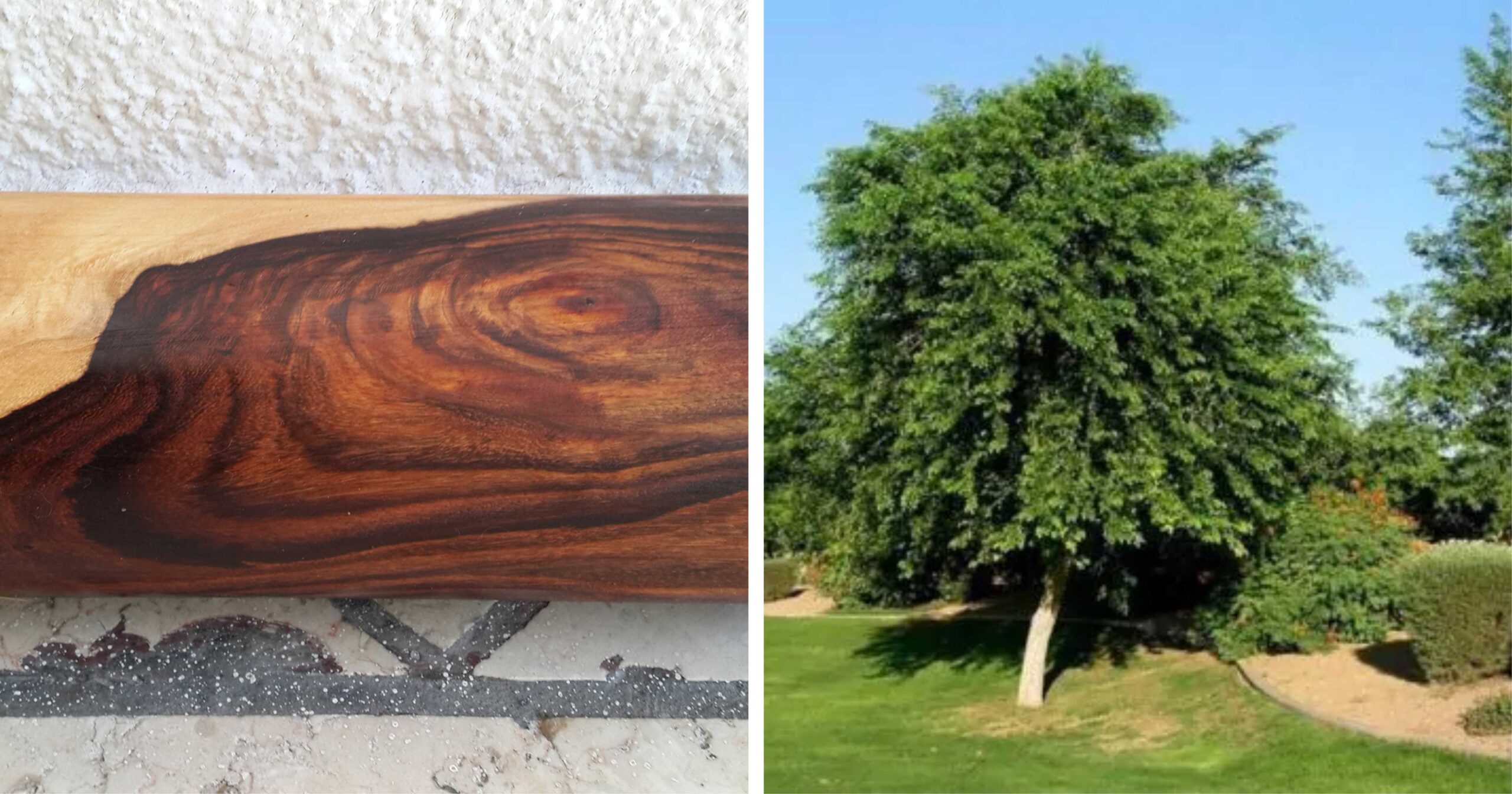
Sheesham is one of the most commonly used hardwoods for beds in Pakistan, largely because of its high density and excellent load-bearing capacity. Structurally, it performs very well in bed frames, side rails, legs, and central supports.
Because Sheesham is a dense hardwood, it holds screws and joints tightly, reducing the risk of wobbling or squeaking over time. This makes it particularly suitable for large beds such as king-size frames or homes where the bed experiences heavy daily use. It also resists dents better than softer woods, which helps the bed maintain its appearance for years.
However, Sheesham is not perfect. Its density makes it heavy, which can be inconvenient in homes where furniture is moved frequently. In addition, quality varies significantly in the market. Low-grade Sheesham that is not properly seasoned may still crack or develop surface issues, which is why workmanship matters as much as the wood itself.
Sheesham suits buyers who value long-term durability and a solid feel, and who are purchasing from a reliable furniture maker.
Deodar wood – Balanced performance with regional advantages
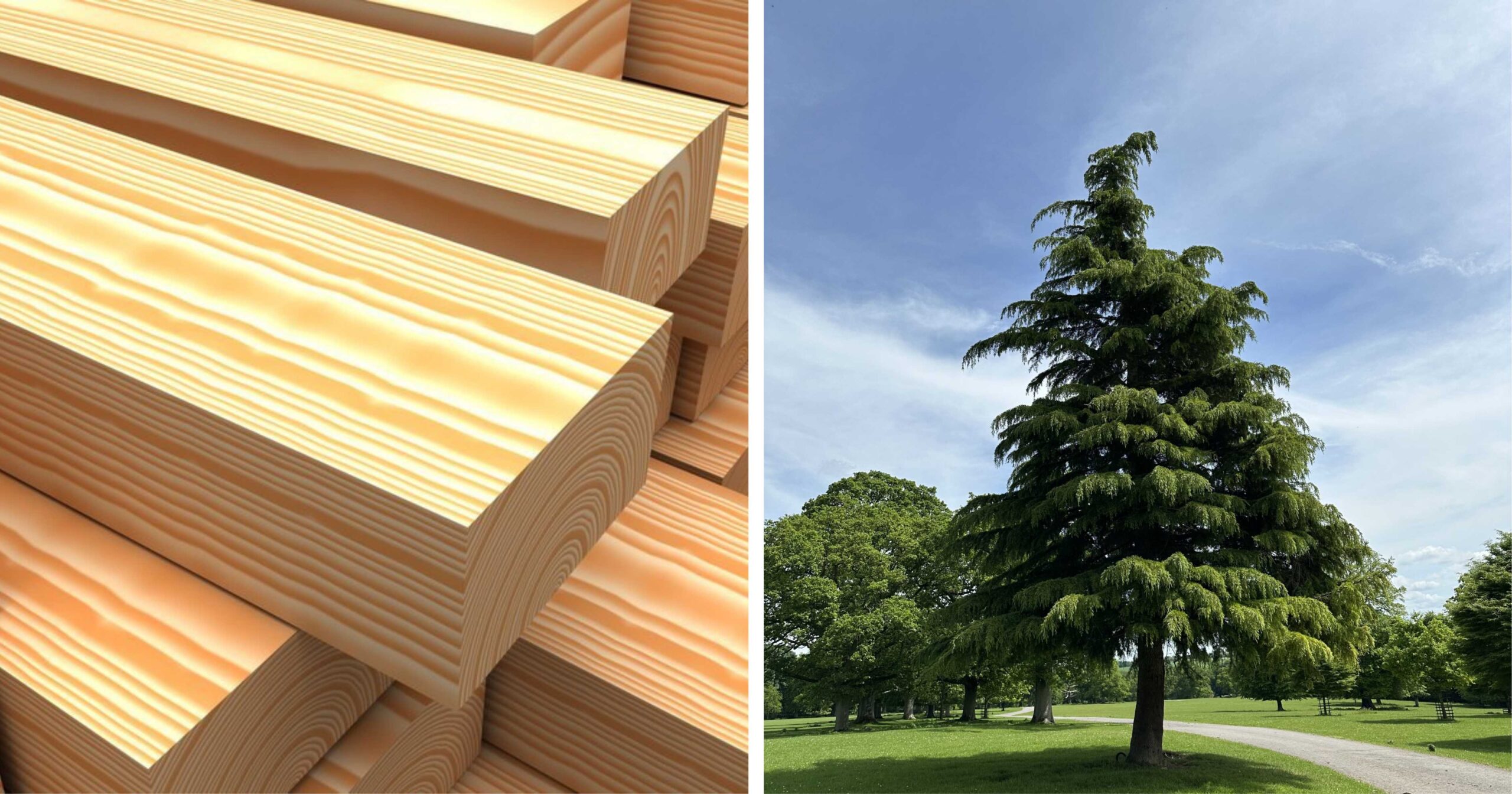
Deodar is a softwood that sits between heavy hardwoods and light budget woods in terms of performance. It is lighter than Sheesham but still strong enough to be used in beds when properly constructed. Traditionally, Deodar has been used in regions where temperature variation is significant, as it performs reasonably well in drier climates.
One important aspect of Deodar is the difference between its heartwood and sapwood. The heartwood is naturally more durable, while the sapwood is more vulnerable to insects. A well-made Deodar bed uses treated or minimal sapwood, which significantly improves lifespan.
Deodar beds are often easier to move and slightly more affordable than Sheesham, making them attractive for buyers who want a balance between strength and weight. However, they rely heavily on proper seasoning and treatment, without which long-term performance can suffer.
This wood works best for buyers who want a mid-range option and are confident in the quality of construction.
Teak wood – Stability in humidity and long-term reliability
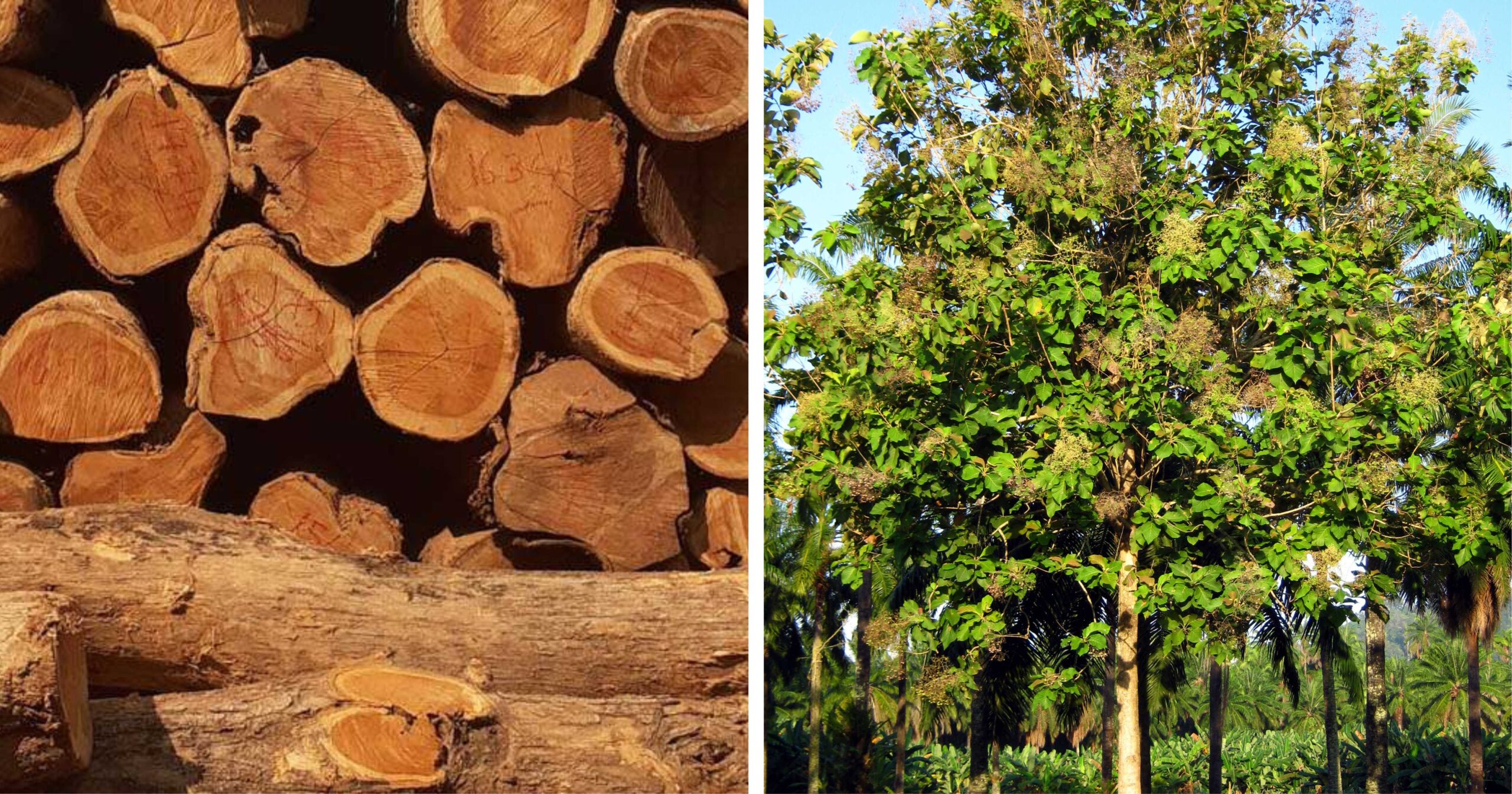
Teak is known globally for its natural oils, which give it strong resistance to moisture, decay, and insects. In Pakistani conditions, especially in coastal or humid cities like Karachi, this characteristic becomes extremely valuable.
From a structural perspective, teak is stable and less prone to warping or swelling. This makes teak beds suitable for environments where humidity fluctuates throughout the year. The wood also ages well, often developing a deeper, richer tone over time.
The main drawback of teak is cost and authenticity. Genuine teak is expensive, and the local market sometimes uses the term loosely. Buyers need to verify the source and quality carefully. Additionally, teak beds are often chosen for premium or luxury homes, which means availability may be limited.
Teak is ideal for buyers prioritizing environmental resistance and longevity, particularly in challenging climates.
Oak wood – Imported strength with a modern aesthetic
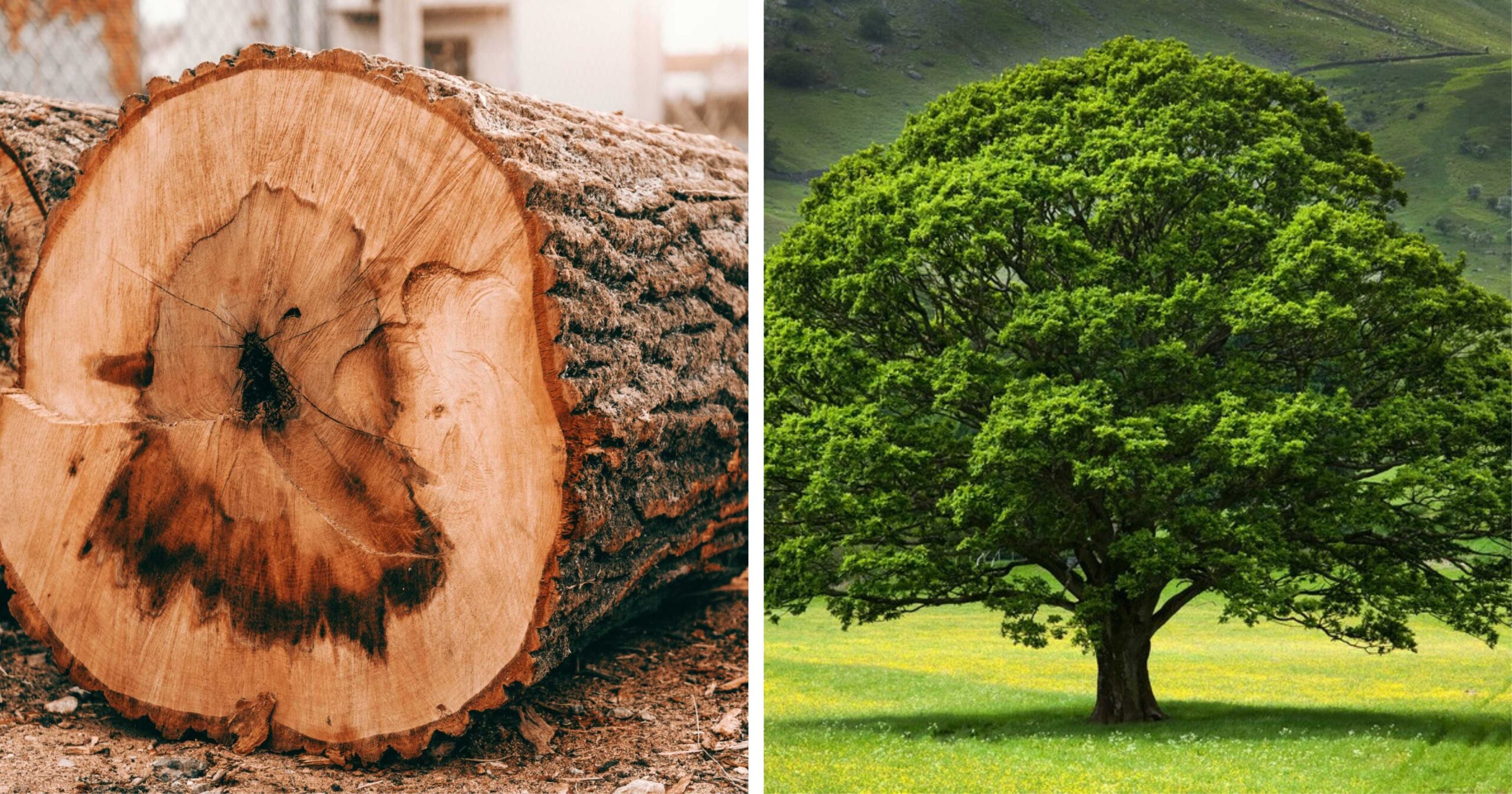
Oak is an imported hardwood that has gained popularity in Pakistan for modern and minimalist bed designs. Structurally, oak is strong and dense, offering excellent rigidity and load handling. It performs well in beds that use clean lines and solid joinery.
Because oak is typically imported, its quality is usually consistent, especially when sourced from reputable manufacturers. It also finishes well, making it suitable for contemporary interiors.
That said, oak is still subject to environmental factors. Without proper finishing and design adaptation, it can react to Pakistan’s humidity. Its higher price point also places it in the premium category, making it less common in mass-market furniture.
Oak suits buyers looking for modern design combined with strength, rather than traditional carved styles.
Walnut wood – Visual appeal with moderate structural strength
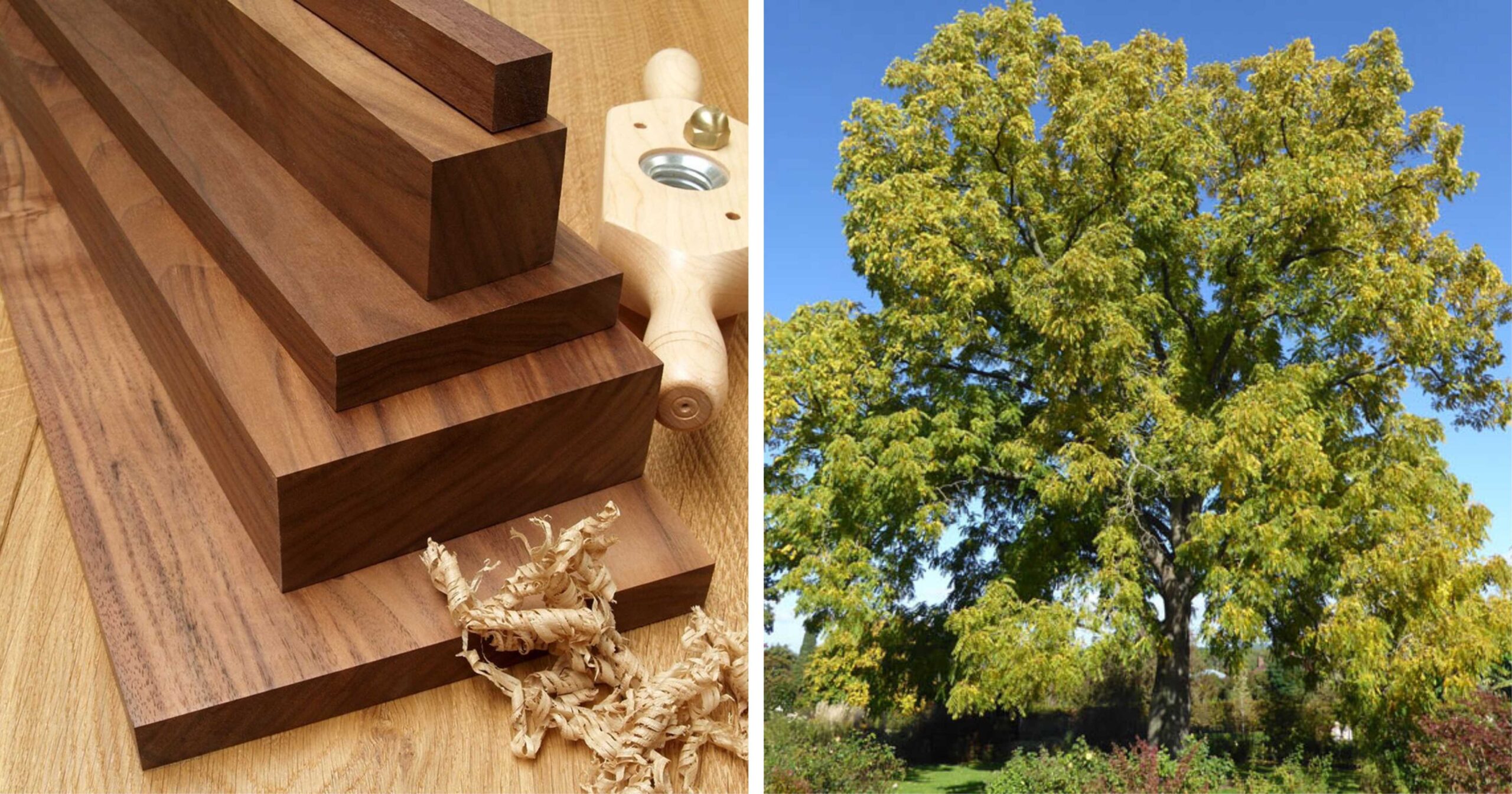
Walnut is often chosen for its rich color and elegant grain pattern. From a structural standpoint, it is not as hard or dense as Sheesham or Oak, but it still performs adequately for beds used under normal conditions.
Walnut beds are best suited for master bedrooms where usage is controlled and aesthetics are a priority. The wood is less forgiving of rough use, and sharp impacts may leave dents more easily than harder woods.
Because of its premium appearance, walnut is often paired with high-quality craftsmanship. When built correctly, it offers a refined and comfortable sleeping experience, though it may not be ideal for households with children or very heavy daily use.
Kail / Pine wood – Budget-oriented and construction-dependent
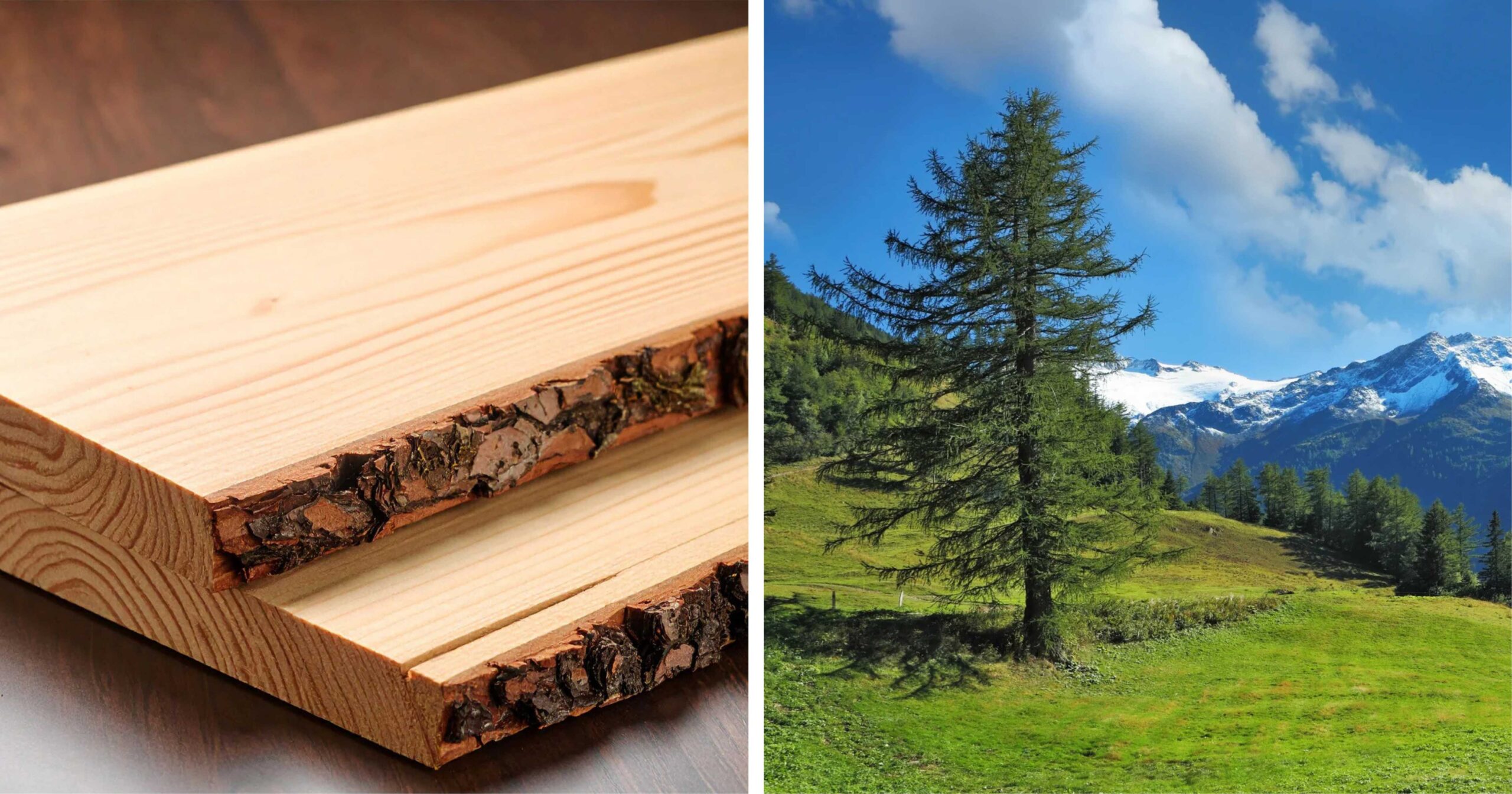
Kail and pine woods are among the lightest options used for beds in Pakistan. Their lower density makes them easier to transport and more affordable, which is why they are common in entry-level furniture.
However, their performance depends almost entirely on design and construction quality. Thin rails, weak joints, or poor seasoning can quickly lead to noise, looseness, and surface damage. On the other hand, well-designed pine beds with thicker sections and strong joinery can still perform acceptably for lighter use.
These woods are best for buyers with budget constraints who understand the trade-offs and are purchasing from a workshop that focuses on structural reinforcement.
Comparative overview of Best Wood for Beds
| Wood Type | Strength | Weight | Durability | Best Use Case |
| Sheesham | Very high | Heavy | High | Long-term family use |
| Deodar | Medium | Medium | Medium | Balanced mid-range |
| Teak | High | Medium-heavy | Very high | Humid / coastal areas |
| Oak | High | Heavy | High | Modern premium beds |
| Walnut | Medium | Medium | Medium | Luxury master bedrooms |
| Kail / Pine | Low-medium | Light | Low-medium | Budget furniture |
How to choose the right wood for your bed
Instead of asking “which wood is best,” ask yourself:
- Do I want maximum lifespan or easier mobility?
- Is my home humid, dry, or mixed climate?
- Will the bed face heavy daily use or controlled use?
- Am I prioritizing structure or aesthetics?
Answering these questions will naturally point you toward the right wood.
Final thoughts
There is no universally perfect wood for beds in Pakistan. The best choice depends on how the wood behaves, how the bed is constructed, and how it fits your lifestyle. A well-built bed using a suitable wood for your environment will always outperform a poorly made bed, regardless of the wood name.